 Safekipedia
Boat
Adapted from Wikipedia · Adventurer experience
A boat is a type of watercraft that comes in many shapes and sizes, usually smaller than a ship. Boats are used for many different purposes.
Small boats are often found on rivers and lakes, or in calm coastal areas, but some boats, like whaleboats, are built for use far out at sea. In modern navies, a boat is defined as a vessel small enough to be carried on a larger ship.
Boats are made and used in many ways depending on what they are needed for. For example, canoes have been used since ancient times for travel and fun. Fishing boats come in many styles. People also enjoy boating for fun, using pleasure craft such as ski boats, pontoon boats, and sailboats. Some people even live on houseboats.
Boats can be moved in several ways. Some are powered by people using their hands, like rowboats and paddle boats. Others use the wind, such as sailboats. Many modern boats have engines, which can be built into the boat (inboard) or attached to the back (outboard). These engines may run on gasoline, diesel, or even electricity [/w/22].
History
Further information: Maritime history
The earliest watercraft were likely simple rafts. These early boats helped people travel long distances.
A boat is different from a raft. Boats stay afloat because their structure keeps water out. Rafts float because they are made of things that are naturally buoyant, like logs or bundles of reeds.
Some of the oldest boats found are made from hollowed-out tree trunks, called dugouts. One of the oldest known boats is the Pesse canoe, found in the Netherlands. It was made from a pine tree and dates back many years. Over time, people learned to build boats by joining wooden planks together. The earliest examples of these plank boats come from places like the Nile River and England.
Types
Main article: List of boat types
Boats can be grouped by how they move. Some just float and move with the current. Others are moved by people using oars, paddles, or a punting pole. Some use wind with a sail, while others are pulled by people or animals on land or by another boat. Many boats are powered by machinery like engines or electric motors.
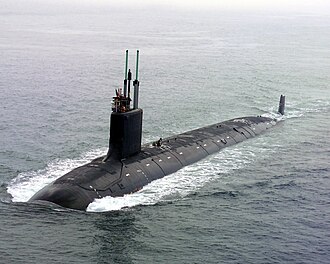
Even big vessels are often called boats. Submarines are one example. Others include Great Lakes freighters, riverboats, and ferryboats. These ships are made to travel on rivers, lakes, or near the coast.
Terminology
Further information: Glossary of nautical terms
The hull is the main part of a boat that helps it float. The keel keeps the boat steady. Some boats have a deck on top of the hull. Boats usually have just one deck. On the deck, you might see safety ropes called lifelines and walls along the edges called bulwarks.
The front of a boat is the bow, and the back is the stern. When you face forward, the right side is the starboard and the left side is the port.
Building materials
See also: Boat building
Until the mid-19th century, most boats were made from natural materials like wood, bark, and animal skins. Early examples include the birch bark canoe, animal hide-covered kayak and coracle, and the dugout canoe made from a single log.
By the mid-19th century, some boats used iron or steel frames but were still planked in wood. In 1855, the French invented a method called "ferciment" using a steel or iron wire framework covered with cement. This made boats strong and easy to repair.
As steel became cheaper and forests were used up, steel boats became common by the 1930s, especially for work and fishing. Aluminum boats became popular in the mid-20th century because they don’t corrode in salt water. Around the mid-1960s, fiberglass boats became popular for recreation because they are strong and don’t rust or rot. Today, cold molding uses thin wood layers coated with resin to build strong boat structures.
Propulsion
See also: Marine propulsion
Boats can move in different ways. Some use engines, such as inboard motors or outboard motors. Others are moved by people using rowing or paddling. Some boats use the wind to sail.
Buoyancy
Main article: Buoyancy
A boat stays on the water because it pushes away its weight in water. Boats can be made of wood, steel, fiberglass, or even concrete, and they will float. If you add more weight to a boat, more of it goes under the water to balance things out. Boats are built to float at the right level. But if you put too much weight on them, they can sink lower and even sink.
To help keep big boats safe, a special line called the Plimsoll line was added. This line shows when a boat has too much weight and might not stay safe on the water.
European Union classification
Since 1998, new fun boats built in Europe that are between 2.5 meters and 24 meters long must follow special rules from the EU. These rules are called the Recreational Craft Directive. They have four groups for boats based on where they can safely go.
- Class A boats can go anywhere.
- Class B boats can go near the coast but not too far out.
- Class C boats are for staying close to the shore.
- Class D boats are for rivers, canals, and small lakes.
Europe makes most of the world's fun boats, and Polish brands are big makers. European boat makers helped create these rules, and many places now use them.
Images
Related articles


This article is a child-friendly adaptation of the Wikipedia article on Boat, available under CC BY-SA 4.0.
Images from Wikimedia Commons. Tap any image to view credits and license.