 Safekipedia
Caron
Adapted from Wikipedia · Adventurer experience
A caron (/ˈkærən/ KARR‑ən) or háček (/ˈhɑːtʃɛk, ˈhætʃɛk, ˈheɪtʃɛk/ HAH‑chek, HATCH‑ek, HAY‑chek, plural háčeks or háčky) is a special mark (◌̌) put over some letters in certain languages. It helps change how a letter sounds. People who make typefaces often call it a "caron," while language experts usually use the Czech word háček.
This symbol is used in many language families, including Baltic, Slavic, Finnic, Samic, and Berber languages. In most Slavic and European languages, it shows changes like softening a sound. For example, it can change the letter c to sound like č. In some languages like Salishan, it shows special sounds made in the back of the mouth. It can also show tones in Mandarin Chinese when used with vowels.
The caron looks a bit like a tiny letter "v." In printed text with serifs, it can look in two ways: either symmetrical like an upside-down circumflex, or with one side thicker, like a normal "v" without serifs. Czech designers often prefer the thicker-sided version for their language, while the symmetrical form is more common in other uses and in typefaces without serifs. It is different from another mark called the breve, which is curved instead of angled.
| Breve | Ă ă Ĕ ĕ Ğ ğ Ĭ ĭ Ŏ ŏ Ŭ ŭ Y̆ y̆ |
|---|---|
| Caron | Ǎ ǎ Ě ě Ǧ ǧ Ǐ ǐ Ǒ ǒ Ǔ ǔ Y̌ y̌ |
Names
People in different areas use different names for this special mark. In printing and design, they usually call it a caron. But experts who study sounds often use the Czech word háček.
The name caron is used in computer codes for letters, like "LATIN CAPITAL LETTER C WITH CARON". We do not know why this name was chosen. It started being used in books in the United States in 1967 and later in many computer rules. Some think the word might come from mixing two older words, but we are not sure.
The word háček first appeared in English books in 1953. In Czech, it means a small hook. Different languages have their own names for this mark, too. For example, in Slovak it is called mäkčeň, meaning "softener". In Croatian it is called kvaka or kvačica, meaning "angled hook". Many other languages also have special names for this mark.
Origin
The caron began as a small dot above letters. It was added to Czech writing by Jan Hus in 1412. Though his ideas were not well-known then, the caron became popular later when printing was invented in the 1500s. You can still see an early version of it in Polish, on the letter ż.
Usage
The caron is a small mark put above some letters to change how they sound. Many languages use it. Some people call it a caron, while others use the Czech word háček.
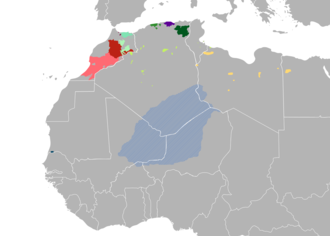
The symbol is used in several groups of languages, such as Baltic, Slavic, Finnic, Samic, and Berber languages. It helps show special sounds that normal letters cannot express clearly.
Letters with caron
Unicode has special symbols for letters with a caron mark above them, shown as precomposed characters. Many more symbols can be created by adding the caron mark to any letter using a special tool called the combining character. This helps make custom symbols, but they might not be used in everyday writing.
Some Cyrillic letters also use the caron mark, but they don’t have special symbols. Instead, you need to use the combining character method. These letters are: В̌ в̌; Ǯ ǯ; Г̌ г̌; Ғ̌ ғ̌; Д̌ д̌; З̌ з̌; Р̌ р̌; Т̌ т̌; Х̌ х̌
Software
Unicode
Unicode has special symbols called carons. These can go over letters to change how they sound. Many letters with carons are already in Unicode. You can also add a caron to any letter using a special symbol.
Common letters with carons, like Č and č, are in the Latin Extended-A set. They are used in Czech and other European languages. Other caron symbols are in the Latin Extended-B set. Unicode also has symbols for carons below letters and double carons.
Related articles


This article is a child-friendly adaptation of the Wikipedia article on Caron, available under CC BY-SA 4.0.