 Safekipedia
Cuckoo
Adapted from Wikipedia · Adventurer experience
Cuckoos are birds that belong to the Cuculidae family. They are found all over the world, especially in tropical areas. These birds are usually medium-sized and slender. Some live in trees, while others live on the ground. Cuckoos eat insects, insect larvae, and fruits.
One interesting behavior of some cuckoo species is that they lay their eggs in the nests of other birds. This is called brood parasitism. Because of this behavior, the phrase "cuckoo's egg" is often used to describe something that seems out of place or doesn't belong.
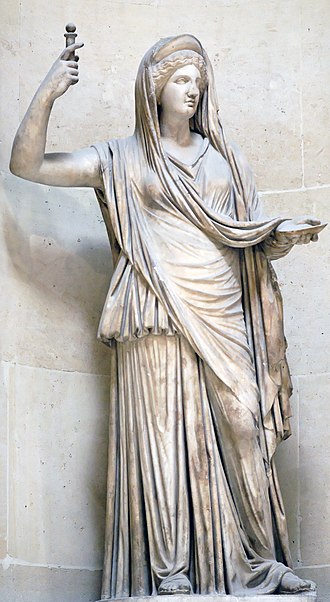
Cuckoos have been important in many cultures for thousands of years. In Greek mythology, they were sacred to the goddess Hera. In Europe, cuckoos are linked to the arrival of spring and have appeared in famous plays like Shakespeare's Love's Labour's Lost. In India, they are considered sacred to Kamadeva, the god of desire, and in Japan, they symbolize unrequited love.
Description
Cuckoos are medium-sized birds, ranging from very small to quite large. The smallest is the little bronze cuckoo, weighing just 17 grams and measuring 15 centimeters. Larger cuckoos include the giant coua from Madagascar and the channel-billed cuckoo, which is the largest parasitic cuckoo.
Cuckoos have unique feet with two toes pointing forward and two backward. Their bodies can be slender and tree-dwelling, like the common cuckoo, or heavy and land-dwelling, like roadrunners. Most have long tails for steering or flying. The shape of their wings changes based on their lifestyle, with migratory birds having long, narrow wings for strong flight, and others having shorter wings for gliding.
The subfamily Cuculinae includes brood-parasitic cuckoos from the Old World, known for their long tails and narrow wings. The subfamily Phaenicophaeinae includes nonparasitic cuckoos that are more land-based, with strong legs and short wings. Coucals are large, heavy land cuckoos, while New World ground cuckoos include fast runners like the roadrunner. Anis are small cuckoos with large bills and glossy feathers.
Cuckoo feathers are soft and can get waterlogged in rain. After rain, they often sunbathe to dry off. Their feathers come in many colors, from plain to bright and shiny. Some cuckoos even look like small hawks to trick other birds. Young cuckoos can look like the young of the birds they live with.
Distribution and habitat
Cuckoos are found almost everywhere in the world, except Antarctica. They live on every continent except in very dry or cold places. Some cuckoos only visit certain islands, while others live permanently on islands in the Pacific Ocean.
Cuckoos need places to live where they can find food and raise their young. Most live in forests, especially tropical rainforests. Some cuckoos live in mangroves, and others can survive in deserts or open areas. Different kinds of cuckoos live in many different places, from Canada to Australia.
Migration
Many cuckoos stay in one place all year, but some travel long distances. For example, the long-tailed koel from New Zealand flies to places like Polynesia for the winter. Other cuckoos, like those from North America, fly over the Caribbean Sea. These birds travel far to find food and the right places to raise their families. Some travel during the day, while others fly at night.
Behaviour and ecology
Cuckoos are mostly birds you see alone, not in pairs or groups. One exception is the anis from the Americas, which live together and help raise their young. Most cuckoos are active during the day but many call at night. They are usually shy and often heard instead of seen, except for anis, which are more trusting.
Most cuckoos eat insects, especially bigger ones like caterpillars. Larger ground-dwelling cuckoos, such as coucals and roadrunners, also eat snakes, lizards, small rodents, and other birds. Some cuckoos, like koels and couas, also eat fruit when there is not much else to eat.
Cuckoos have different ways of raising their young. Most build their own nests, but some lay their eggs in the nests of other birds, a behavior called brood parasitism. The well-known European common cuckoo does this. In brood parasitism, the cuckoo egg hatches early, and the chick grows fast, often pushing out the host's eggs or young. This behavior happens naturally and is not taught by parents.
Phylogeny and evolution
The group of birds called Cuculidae was first described by a scientist named William Elford Leach in 1819.
We do not know much about how cuckoos evolved because there are not many old fossils of them. In 2014, scientists studied the genes of many birds and found that cuckoos belong to a group called Otidimorphae, along with turacos and bustards. However, we still do not fully understand how these bird groups are related to each other.
Taxonomy and systematics
The family Cuculidae has 150 kinds of cuckoos in 33 groups. This family had two kinds that are no longer alive: the snail-eating coua from Madagascar and the Saint Helena cuckoo.
There are several smaller groups inside the cuckoo family:
- Subfamily Crotophaginae – New World cuckoos that live together
- Subfamily Neomorphinae – New World ground cuckoos
- Subfamily Centropodinae – coucals
- Subfamily Couinae – Malagasy and South East Asian ground cuckoos
- Subfamily Cuculinae – includes many types of cuckoos, such as malkohas and typical cuckoos
For the living kinds in each group, see the article List of cuckoo species.
In culture
In Greek mythology, the god Zeus became a cuckoo to meet the goddess Hera, who loved the bird. In England, William Shakespeare connected the cuckoo to spring in a song from his play Love's Labours Lost.
In India, cuckoos are linked to Kamadeva, the god of love. In Japan, they symbolize love that is not returned. Some cuckoo birds leave their eggs in other birds' nests, which has inspired stories and films like The Midwich Cuckoos and its adaptations.
Images
Related articles



This article is a child-friendly adaptation of the Wikipedia article on Cuckoo, available under CC BY-SA 4.0.
Images from Wikimedia Commons. Tap any image to view credits and license.