 Safekipedia
Ionization
Adapted from Wikipedia · Adventurer experience
Ionization is when an atom or a molecule gains or loses electrons and gets a charge. After this, the atom or molecule is called an ion. This can happen in many ways, like when atoms hit each other, bump into tiny particles, or are struck by energy from electromagnetic radiation.
Ions are important in science. They help in chemical reactions and are part of natural processes, like how water can conduct electricity. Ionization can also happen inside atoms when energy from radioactive decay moves an inner electron away from its place. This shows how atoms can change and work together in our world.
Uses
Ionization is something we see every day in lights like fluorescent lamps or other electrical discharge lamps. It helps tools that detect radiation, such as the Geiger-Müller counter or the ionization chamber. Scientists use ionization in many kinds of equipment, like in mass spectrometry, and doctors use it in treatments such as radiation therapy. We also use ionization to clean the air.
Production of ions
Negatively charged ions form when a free electron hits an atom and stays inside, releasing energy. This is called electron capture ionization.
Positively charged ions happen when energy hits an electron in an atom. The minimum energy needed for this is called ionization energy.
Adiabatic ionization is when an electron is taken from or added to an atom or molecule in its lowest energy state to create an ion.
The Townsend discharge shows how positive ions and free electrons are made when ions hit other particles. It starts with one ionization event, and then creates a chain reaction where more electrons are freed.
Ionization energy of atoms
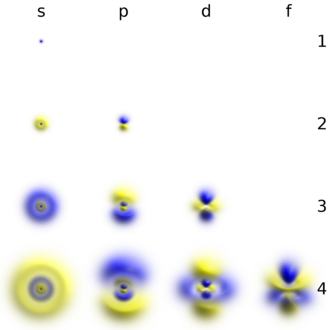
Atoms can lose or gain energy to become charged. This helps us understand how atoms are arranged and how their electrons are organized.
One example shows how the energy needed to change an atom’s charge drops after certain atoms. This shows the start of a new group of atoms called alkali metals. Peaks in this energy also show different groups of electrons around the atom.
Semi-classical description of ionization
Classical physics and the Bohr model of the atom can help explain how atoms sometimes lose or gain electrons. This can happen when light or collisions give an electron enough energy to move away from the atom. But this way of thinking can't explain a different type of ionization called tunnel ionization. In this case, an electron moves through a barrier it usually could not pass.
Quantum mechanical description of ionization
When atoms or molecules meet very strong laser light or other charged particles, they can lose or gain electrons and become charged. This process is called ionization. Scientists can study this using rules from quantum mechanics, which help explain how likely this process is to happen.
There are different ways to understand ionization using these rules. One way looks at how electrons can move through a barrier thanks to their wave-like nature. This happens when atoms meet strong infrared laser light. Another way looks at the electron’s movement when the laser’s electric field is very strong compared to the atom’s own field.
Strong field approximation for the ionization rate
Ionization is the process where an atom or molecule gains or loses electrons, becoming charged. This can happen when atoms bump into other tiny parts or when they meet light energy.
Scientists use different ways to figure out how often ionization occurs. Some ways look at light like waves, and others see light like tiny bits that can give energy to atoms step by step. These help scientists learn how atoms change when faced with strong light or other energy.
Kramers–Henneberger frame
The Kramers–Henneberger (KH) frame is a special way to see how electrons act when a strong laser hits them. Instead of watching from one place, we pretend to move with the electron as it shakes from the laser's energy. In this moving view, the electron looks like it is not moving.
This frame helps scientists learn about how electrons break away from atoms, called ionization. It also helps us understand how atoms can stay stable even in very strong laser light. It is useful for studying things like higher-energy light made when lasers hit metal surfaces.
Dissociation – distinction
Sometimes, a substance can break apart without making ions. For example, when sugar dissolves in water, the sugar molecules stay whole and neutral. Another example is table salt, which breaks into sodium and chlorine ions. Even though this looks like ionization, the ions were already present in the salt's structure. When salt dissolves, water surrounds these ions, making the solution able to carry electricity. But no electrons are lost or gained in this process.
Table
Images
Related articles


This article is a child-friendly adaptation of the Wikipedia article on Ionization, available under CC BY-SA 4.0.
Images from Wikimedia Commons. Tap any image to view credits and license.