 Safekipedia
Brand
Adapted from Wikipedia · Discoverer experience
A brand is a name, term, design, symbol, or any special feature that helps people tell one seller's goods or services from another's. Brands are very important in business, marketing, and advertising. They help people recognize products and also help create value for both customers and the company's owners and shareholders.
The idea of branding started a very long time ago with the ancient Egyptians, who marked their cattle and even slaves with a hot iron to show who they belonged to. This practice helped prevent theft because anyone seeing the mark would know the true owner. The word “brand” comes from an old Norse word meaning “to burn.” Today, branding has grown to include many products and services, from oil and wine to legal and medical services, and even political parties and famous people.
In the modern world, companies use many tools to build their brands, such as logos, trademarks, and special designs. These tools help make a company or product stand out from others and create lasting memories in customers' minds. When customers know and prefer a brand over others, the company has built strong brand value, which can be very important for its success.
Etymology
The word brand originally meant a burning piece of wood. It comes from the Middle English word brand, which meant "torch". This word itself came from the Old English word brand. Over time, it also came to mean the mark left when something is burned with a branding iron.
History
Branding and labeling have a long history. It likely started when farmers marked their animals to prevent theft. Ancient pictures show cattle being marked around 2,700 BCE in Egypt. Over time, people realized that these marks could tell others about where the animal came from and its quality.
People began using similar marks on many things, like pottery and trade goods. Different places around the world developed their own ways of marking items. Special marks were used on ancient Chinese products, and early traders in places like Ur used marks to label their goods. Even in ancient Greece and Rome, potters and traders used stamps and signs to show who made what. These early marks helped people know what they were buying and trust the quality.
Concepts
Effective branding with strong values can lead to higher sales for not just one product, but also for other products linked to that brand. If someone loves Pillsbury biscuits and trusts the brand, they are more likely to try other products like chocolate-chip cookies from the same company. Building a brand usually takes time and often involves a design team.
A brand name is the spoken or written part of a brand that identifies a product, service, or company and makes it different from others. It can include words, phrases, signs, symbols, designs, or a mix of these. For customers, a brand name is a helpful way to remember their favorite products. A brand name is different from a trademark, which is the legally protected part of the brand.
Brand identity includes many parts like a name, design, images, slogan, or symbol that make the brand stand out. A strong brand identity needs a deep understanding of its customers, competitors, and the business world. It has a core identity and an extended identity. The core identity stays the same over time, while the extended identity adds more details.
Brand personality is like giving a brand human traits that connect with customers. Marketers believe brands can have personalities that match what customers like. This helps make brands unique. Brand awareness is how well customers remember a brand. It helps customers decide what to buy. Top-of-mind awareness means the brand comes to mind first when thinking about a product type. Brand recall is when customers remember the brand without help, while brand recognition is when they see the brand and remember it.
Brand elements
Brands have many parts that help people recognize them. These can include the brand’s name, a special logo, a short phrase used in ads, special graphics, shapes, colors, sounds, scents, tastes, movements, or even the voice used in messages.
Brand communication is how companies share information about their brands with people. This includes advertising, sales promotions, direct marketing, personal selling, and public relations. Good communication helps people understand what the brand stands for. Companies use many ways to reach customers, like ads on TV or social media sites such as Twitter. Using the right ways to talk to customers can help people remember the brand and trust it more.
Further information: Advertising management, Integrated marketing communications, Marketing communications, and Promotion (marketing)
Global brand variables
Brand name
The term "brand name" is often used to mean "brand." However, it really means the words or names that tell us what a product is. A brand name is like a special mark that shows who made the product. Companies can protect their brand names through trademark registration. Some brands use famous characters, like Mr. Whipple for Charmin toilet paper or Tony the Tiger for Kellogg's Frosted Flakes.
Brand names can be different kinds of names. They can be short for longer words, like "UPS" or "IBM". They can tell us what the product does, like "Whole Foods" or "Toys R' Us". Some are fun to say, like "Reese's Pieces" or "Dunkin' Donuts". Others are made-up words, like "Wii" or "Häagen-Dazs". Some come from other languages, like "Volvo". Still others use the names of famous people, places, or even combine several words together.
Brand line
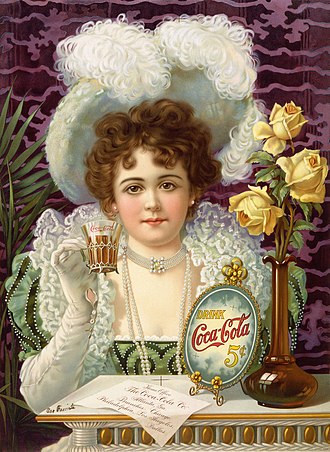
A brand line is when a company creates different versions of a product under one brand name. For example, Ferrero SpA makes many kinds of Kinder chocolates, and Coca-Cola offers many types of drinks.
Brand identity
Brand identity is how a company wants people to see its brand. This includes the brand’s name, logo, colors, and the way it talks to people. It’s different from brand image, which is how people actually see the brand after using it.
Brand image
Brand image is how people think about a brand after they’ve used it. This comes from their experiences and what they believe about the brand.
Brand trust
Brand trust means people believe in a brand. When people trust a brand, they are more likely to buy it again and again.
Market Differentiation
A strong brand image helps a company stand out from others. This makes its products easier to recognize and more attractive to buyers.
Visual brand identity
Colors are very important for a brand’s look. Using the right colors helps a brand stand out in a busy market.
Expanding role of brands
Originally, branding helped people easily tell different products apart. Over time, companies started using brand messages to give their products a special personality. Brands began to promise not just good quality, but also benefits for both the product and the company behind it.
Today, brands have an even bigger role. They can share important messages quickly and in a way that touches people’s feelings. This makes them useful for activists. Sometimes, disagreements about what a brand stands for can affect how new ideas spread. During the COVID-19 pandemic, many people tried new stores, websites, or brands. If brands can help people feel stronger and in control during tough times, they can help people feel connected again.
Branding strategies
Sometimes, the same brand name is used by different companies. For example, Yamaha is used by both Yamaha and Yamaha Motor.
Company name
Businesses often use their company name as a brand, especially in industries that make many different products. This helps people recognize the products as coming from the same place. For example, Mercedes-Benz and Black & Decker are well-known company names used for many products.
When a company changes its name, it can signal new directions or ownership. For example, Unisys started in 1986 when Burroughs bought UNIVAC. Similarly, International Business Machines began in 1924, expanding from its original name, the Computing-Tabulating-Recording Company.
Individual branding
Some companies give different names to each of their products. For example, Seven-Up, Kool-Aid, and Nivea Sun are all separate brands from the same company, Beiersdorf. This can help them compete against other brands made by the same company, like how Unilever owns Persil, Omo, Surf, and Lynx.
Challenger brands
A challenger brand is a brand that is not the top seller but wants to change the industry. These brands aim to challenge the leading brand in the market.
Disruptor brands
A disruptor brand is also not the top seller, but it tries to create new markets or change existing ones with new ideas or technology. These brands do not aim to compete directly with the market leader.
Multiproduct branding strategy
Some companies use the same name for all their products in a certain category. This is called multiproduct branding. Examples include Microsoft, Samsung, Apple, and Sony. Using the same name helps people remember the brand and can make it easier to introduce new products.
Product line extension
A product line extension uses the same brand name to enter a new market segment with similar products. For example, the Campbell Soup Company makes many types of soup, like regular soup, condensed soup, and organic soup, all under the Campbell name.
Subbranding
Subbranding is when a company adds a new name to part of its product line to make it different. For example, Gatorade introduced Gatorade G2, a low-calorie version, and Porsche has different lines like the Porsche Boxster and Porsche Carrera.
Brand extension and brand dilution
Brand extension uses an existing brand name for a new type of product. For example, fashion companies often use their brand name for fragrances, shoes, and accessories. However, using a brand name too much can weaken its meaning.
Brand collaborations
Brand collaborations happen when different companies work together on a branding project. One common type is co-branding, where two companies combine their brands on one product. For example, in 2017, Louis Vuitton worked with the skateboarding brand Supreme.
Multibranding strategy
Multibranding is when a company gives each product a different name. This is useful when each product targets a different group of customers. For example, Procter & Gamble has many brands like Head & Shoulders for dandruff shampoo, Oral-B for dental products, and Vicks for cold remedies.
Private branding strategy
Private branding is when a company makes products that are sold under the name of a store or retailer. This is popular because it can be more profitable and allows stores to offer cheaper prices. For example, supermarkets like Woolworths and Coles in Australia sell many of their own branded products.
Mixed branding strategy
Mixed branding is when a company sells products under its own name and also under a reseller's name. For example, Elizabeth Arden, Inc. sells its main brand in department stores and a simpler line called "skin simple" at Walmart.
Attitude branding and iconic brands
Attitude branding focuses on representing a feeling or idea, not just the product itself. Brands like Nike and Starbucks are examples of this. Iconic brands are those that become important symbols in culture, like Apple and Harley-Davidson.
"No-brand" branding
Some companies use a "no-brand" strategy, making their products without any visible brand name. For example, the Japanese company Muji sells simple, unbranded products.
Derived brands
Sometimes, a company that makes a key part of a product promotes that part as its own brand. For example, Intel uses the slogan "Intel Inside" to show that their chips are used in computers.
Social media brands
Social media brands focus on connecting with users and building communities. They aim to express users' identities and belong to something larger.
Private labels
Private label brands are products sold under a store's own name. These have become popular, especially when the store has a strong identity, like Marks & Spencer in the United Kingdom.
Individual and organizational brands
Branding is not just for products; it can also apply to people and organizations. Many non-profit groups use their brand to raise money and share their goals. For example, Amnesty International and Habitat for Humanity are well-known brands that represent their missions.
Personal branding
Main article: Personal branding
Employer branding
Main article: Employer branding
Crowd sourced branding
These are brands created by the public for a business, instead of the business creating them itself.
Personalized branding
Some businesses let customers choose or personalize parts of the brand. For example, Coca-Cola printed names on bottles in their #ShareACoke campaign, and AirBNB lets users create their own symbols.
Nation branding (place branding and public diplomacy)
Further information: Place branding
Nation branding is about building a good reputation for countries. It helps countries show what makes them special and attract visitors and business.
Destination branding
Destination branding is when cities or places work to attract tourists. This can be done by governments or community groups.
Brand protection
Brand protection helps prevent copying and ensures that brands keep their reputation. This includes watching for and stopping unauthorized use of brand names and designs.
Doppelgänger brand image (DBI)
Main article: Doppelgänger brand image
A doppelgänger brand image, or DBI, is an unflattering story or picture about a brand that spreads in popular culture. Big, well-known brands are often the target of DBIs. The goal is to weaken the positive feelings that brand owners try to create with their ads.
People or groups often make doppelgänger brands to criticize what they think a brand stands for. They use jokes or silly pictures to show their point of view. Because these ideas can spread quickly online, they sometimes cause real problems for the brand. The brand may need to change how it presents itself to address the criticism.
For example, there was a Joe Chemo campaign that spoke out against advertising tobacco products to children. Another example was a joke version of the Pepsi logo that showed an overweight man, pointing out how sugary drinks can lead to health issues. There was also the FUH2 campaign, which criticized the Hummer SUV for being bad for the environment and public safety.
International Standards
The International Organization for Standardization (ISO) has created rules to help measure and understand brands. These rules are made by a special group called ISO/TC 289. Some important rules include:
- 'ISO 10668:2010' which talks about how to put a money value on a brand.
- 'ISO 20671:2021' which explains the basic ideas for evaluating brands.
The group is also working on two more rules about brands related to places and how to check brands each year.
Images
Related articles



This article is a child-friendly adaptation of the Wikipedia article on Brand, available under CC BY-SA 4.0.
Images from Wikimedia Commons. Tap any image to view credits and license.