 Safekipedia
Horizontal gene transfer
Adapted from Wikipedia · Discoverer experience
Horizontal gene transfer, also called lateral gene transfer, is the movement of genetic material between organisms that is not passed from parent to offspring during reproduction. This process is very important in how many living things change and evolve over time.
One of the biggest reasons scientists study horizontal gene transfer is because it helps spread resistance to antibiotics among bacteria. Through this process, bacteria can share genes that protect them from medicines used to treat infections. This makes it harder for doctors to treat bacterial diseases.
Horizontal gene transfer happens mainly in bacteria but also occurs in other types of organisms, including some plants and animals. It helps these organisms adapt to new environments and survive challenges they have never faced before. Scientists are still learning more about how often this process happens and how it affects the development of all living things.
History
Griffith's experiment, shared in 1928 by Frederick Griffith, was the first test showing that tiny living things called bacteria can share their genetic information through a process called transformation. After this, more studies in the late 1930s and early 1940s found that DNA is the material that carries this genetic information.
Later, in 1951 in Seattle, scientists learned that when a virus’s gene moves into a type of bacteria called Corynebacterium diphtheriae, it can change a harmless strain into one that causes disease. This also helped explain how some people can carry the bacteria without getting sick, but later may become ill. In 1959 in Japan, researchers saw that antibiotic resistance could move between different kinds of bacteria. By the mid-1980s, some scientists believed that this kind of gene sharing has been part of life on Earth since the very beginning and has helped shape how all living things evolved.
Scientists have found that this gene sharing happens not just in simple bacteria but also in some more complex single-celled organisms. It may even happen in plants when one plant is grafted onto another, allowing parts like chloroplasts and DNA to move over. Some insects, like monarch butterflies and silkworms, have also gained genes from other organisms through this process.
Mechanisms
There are several ways that organisms can share genetic material without reproducing normally. One way is called transformation, where a cell takes in new DNA or RNA from its surroundings. This is common in bacteria and is often used in labs to add new genes to bacteria for research or medical purposes.
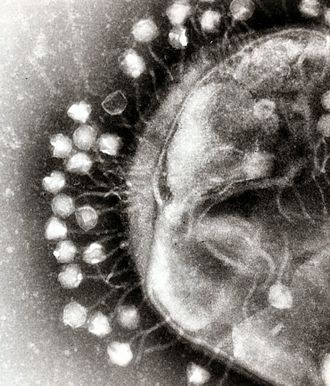
Another way is transduction, where a virus moves DNA from one bacterium to another. There is also bacterial conjugation, where bacteria transfer DNA directly to each other during contact. Additionally, some bacteria have special elements called gene transfer agents that help move DNA between cells.
Horizontal transposon transfer is when pieces of DNA, called transposons or "jumping genes," move between different organisms. These can carry important genes, like those that help resist antibiotics, and place them into new locations. This process is important in the evolution of both simple and complex organisms. While it can sometimes cause problems, it also helps introduce new genetic material that can be useful for the organism.
Methods of detection
Main article: Inferring horizontal gene transfer
Scientists study how genes move between organisms by using special computer tools. They look for patterns in DNA that seem unusual, like pieces of DNA that look more like those from another species than the one being studied. This helps them understand when genes have moved from one organism to another.
One way to find these gene transfers is by studying many pieces of DNA from a sample all at once. By looking at the DNA pieces and seeing which ones don’t match the usual family tree, scientists can spot when genes have moved between different organisms.
Viruses
See also: Chimera (virus)
The virus called Mimivirus infects amoebae. Another virus, called Sputnik, also infects amoebae, but it cannot reproduce unless mimivirus has already infected the same cell.
Sputnik's genome shows interesting details about its biology. While many of its genes are unique, a few are very similar to genes found in mimivirus and mamavirus. This hints that the tiny virus might have taken these genes from other viruses long ago. This suggests that the satellite virus could move genes between viruses, similar to how some viruses carry genes between bacteria.
Prokaryotes
Horizontal gene transfer is very common in tiny living things called bacteria, including those that are very different from each other. It can also happen between bacteria and another type of tiny organism called archaea. This process helps bacteria share traits, like resistance to medicines used to treat infections. When one bacterium gains resistance and shares it, others can become resistant too. This has led to some bacteria becoming strong against many medicines.
In bacteria, special systems help protect against this gene transfer, but sometimes these systems can move between bacteria. Scientists have found that this transfer helps bacteria survive in tough conditions and change their traits over time. For example, some bacteria can better handle radiation or dry environments because of genes they picked up this way. This transfer also helps bacteria produce useful chemicals and adapt to places with very little food.
Eukaryotes
Sequence comparisons show that many genes have moved between different species, including between major groups of living things. This means we cannot always tell a species' history just by looking at one gene.
Analysis of DNA suggests that in eukaryotes, genes have moved from small structures called chloroplasts and mitochondria to the main cell nucleus. Chloroplasts and mitochondria likely started as tiny bacteria living inside larger cells.
Genes have also moved between these small structures themselves. For example, some mitochondrial genes moved to certain plants, and genes from one type of plant moved to the mitochondria of beans.
Bacteria have shared genes with fungi, such as yeast. In plants, a type of bacteria called Agrobacterium can move genes into plant cells, which helps plants evolve. Land plants and their close relatives share certain enzymes likely transferred from bacteria and fungi.
In animals, some genes came from bacteria. For example, a gene in a coffee berry beetle looks like bacterial genes, possibly from bacteria in the beetle’s gut. Some animals, like certain worms and insects, have genes from bacteria and fungi. A virus-like process may help move genes between tiny organisms and more complex ones.
Plants have also shared genes with other plants. For example, a plant that lives on other plants received a gene from sorghum. Another plant gene helped ferns survive in dark forests by coming from a different plant that grows in mats.
Some animals, like a type of sea slug and a whitefly insect, have picked up genes from plants. Fungi have also shared genes with plants, and some fungi have received genes that help them infect plants.
Genes have moved between different types of fungi and even to other organisms like insects. For example, pea aphids have genes from fungi that help them make colors.
Some genes have moved between different animals, like a fish receiving an antifreeze gene from another fish. In rare cases, genes might move from humans to tiny parasites that cause diseases.
One study suggested that about 100 of the genes in human DNA might have come from other organisms, though this idea is debated by other scientists.
Compounds found to promote horizontal gene transfer
Research has shown that some medicines and other chemicals can help bacteria share genes that make them resistant to antibiotics. Medicines like ibuprofen, naproxen, and others can make it easier for bacteria to share these resistance genes with each other.
Other chemicals found in wastewater, such as those used in textile dyeing, can also increase how often bacteria share these genes. Even metals like copper and zinc can play a role in helping bacteria share antibiotic resistance. These findings are important because they show how everyday chemicals can affect bacteria and antibiotic resistance.
Promiscuous DNA
Promiscuous DNA is a way that genes move between different parts inside cells, not just from parent to child. This kind of gene transfer happens a lot in many living things, moving genes from the parts that make energy (like chloroplasts and mitochondria) to the main part of the cell's DNA.
Scientists first talked about this idea in 1982. Since then, they have learned more about how these genes move around inside cells. One big clue comes from small pieces of DNA called plasmids, which are good at moving from one place to another inside cells. These plasmids help genes jump between different parts of the cell.
There are two main types of these moving genes. One type, called NUMTs, comes from the DNA of mitochondria moving into the main cell DNA. The other type, called NUPTs, comes from the DNA of plastids moving into the main cell DNA. Both of these help make genetic diversity in many living things.
Artificial horizontal gene transfer
See also: Gene therapy
Genetic engineering is a type of horizontal gene transfer, but it uses special synthetic pieces of DNA. The Sleeping Beauty transposon system (SB) was created to help move genes into many different animal species. It was designed using ideas from natural gene-moving tools found in many organisms, called Tc1/mariner transposons.
In evolution
Horizontal gene transfer is the movement of genetic material between organisms that is not from parent to child. This can make it tricky to draw family trees for organisms because one organism might share a gene with a faraway relative even if most of their other genes are different.
Scientists sometimes use a special gene called 16S ribosomal RNA to study family trees of tiny living things, but even this gene can sometimes move between organisms. This means we need to look at many genes to understand how organisms are related. Some scientists think we should picture the history of life as a net instead of a tree because of how often genes move around.
Horizontal gene transfer can also help scientists understand when certain genes appeared in history. For example, some genes that help organisms survive in certain conditions are thought to have moved between different types of life long ago. These transfers can change how organisms look and act, helping them adapt to new places or challenges.
Related articles



This article is a child-friendly adaptation of the Wikipedia article on Horizontal gene transfer, available under CC BY-SA 4.0.
Images from Wikimedia Commons. Tap any image to view credits and license.