 Safekipedia
Rumen
Adapted from Wikipedia · Discoverer experience
The rumen, also known as a paunch, is the largest stomach compartment in ruminants. It works together with the reticulum to form what is called the reticulorumen in these animals. Inside the rumen live many different microbial communities that help break down food.
Because ruminants often eat rough, fiber-rich plants that are hard to digest, the rumen is very important. It allows these animals to change tough plant material into energy and fatty acids they can use. This special system helps ruminants survive and thrive in environments where other animals might struggle to find enough food.
Brief anatomy
The rumen has five muscular sections, each with its own special microbes and abilities that help with digestion. The outer layer, called the epithelium, protects the rumen and helps process important substances.
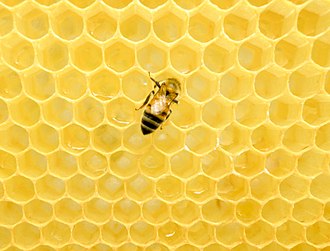
Inside the rumen, there are tiny finger-like bumps called papillae that help absorb nutrients. The reticulum, which works closely with the rumen, has a special pattern that looks like a honeycomb. This helps it absorb important nutrients and catch small pieces of food. Together, the rumen and reticulum make up about 80% of a ruminant’s stomach space.
Digestion
The rumen helps animals break down food through a process called fermentation. Many tiny living things, such as bacteria, archaea, viruses, fungi, and protozoa, live in the rumen. These microorganisms help digest tough plant materials and other foods that animals cannot break down on their own.
These tiny living things change the food into useful substances, including energy sources called volatile fatty acids. These energy sources pass into the animal's body and help it stay healthy. The rumen also helps with digesting proteins and other nutrients, creating a helpful partnership between the animal and the microorganisms.
Stratification and mixing of digesta
In the rumen, the stomach part of animals like cows, the food they eat is not all the same. It separates into layers of gas, liquid, and bits of different sizes. This mixing and moving of food is very important for digestion.
When an animal eats, the food goes down a tube called the oesophagus and ends up in a part called the dorsal reticulum. The rumen mixes this food into a thick mass called the mat. Here, tiny organisms break down the food, making gases that help the mat float. As the food breaks down more, it becomes smaller and less buoyant, eventually moving to a lower part of the rumen. Some of this food may be brought back up to be chewed again in a process called rumination.
Liquids like water and saliva mix with the food but move through the rumen faster. Gases such as methane, carbon dioxide, and hydrogen build up and are released when the animal burps, a process known as eructation.
Microbes in reticulorumen
Further information: Methanogens in digestive tract of ruminants
The rumen contains many different kinds of tiny living things, such as bacteria, protozoa, fungi, archaea, and viruses. These microbes help break down food that animals cannot normally digest, like tough plant material.
Bacteria and protozoa are the most common microbes in the rumen. They help break down different parts of the food, such as fibers and proteins. Fungi help break down some plant materials, and archaea produce a gas called methane. Viruses also play a role by breaking down other microbes, which helps recycle nutrients. These microbes move through the animal's digestive system and provide important nutrients when they are digested later on.
Human uses
The food inside the rumen, called "paunch waste," has been looked at as a possible fertilizer for growing crops in a way that helps the environment, known as sustainable agriculture.
Development
When a baby ruminant is born, its rumen—the big first part of its stomach—is not fully developed and does not work yet. The rumen grows and changes a lot between birth and when the young animal starts eating solid food, called weaning.
As the young ruminant eats solid food, helpful tiny organisms called microbes move into the rumen. These microbes help break down tough plant material that the animal cannot digest on its own. This process creates important substances called short chain fatty acids, which help the rumen grow and function properly. The inside of the rumen also grows tiny finger-like growths called papillae, which increase the surface area and help absorb nutrients.
Rumen microbiome genetics
Caring for the tiny living things in a ruminant’s stomach, called the rumen microbiome, is very important. It helps the animal stay healthy and grow while saving money on food costs. Scientists have studied the DNA of these tiny living things and found genes that help the animal grow bigger and eat more. Some of these genes are linked to the animal’s weight gain and how much food it eats each day.
Images
Related articles



This article is a child-friendly adaptation of the Wikipedia article on Rumen, available under CC BY-SA 4.0.
Images from Wikimedia Commons. Tap any image to view credits and license.