 Safekipedia
Golgi apparatus
Adapted from Wikipedia · Explorer experience
The Golgi Apparatus
The Golgi apparatus is a tiny part inside most cells. It lives in the cytoplasm. Its job is to pack proteins into tiny bags called membrane-bound vesicles. These bags then go to where they are needed in the cell.
It helps prepare proteins for secretion. It uses special tools called glycosylation enzymes to add sugar pieces to proteins.
This important structure was first seen in 1898 by an Italian scientist named Camillo Golgi. It was later named after him in the 1910s.
How It Works
The Golgi apparatus works like a busy post office inside cells. It takes proteins made in a part of the cell called the endoplasmic reticulum and puts them into small packages called vesicles. These vesicles go to the Golgi apparatus, where the proteins are changed and ready for their next job. Some proteins leave the cell, while others stay to help the cell.
The Golgi also helps move fats called lipids and makes special parts of the cell called lysosomes. It changes proteins by adding sugar molecules and other groups. These changes help the proteins know where to go next in or around the cell.
Moving Things Around
Tiny bags of material from the rough endoplasmic reticulum move to the Golgi apparatus. Inside, the molecules are changed and then sorted to go to their next places in the cell.
Proteins that need to leave the cell or go to other parts are sent to a special area called the trans-Golgi network. This is where proteins are sorted and sent to where they need to go, placed into different types of bags based on the signals they carry.
Images
Related articles
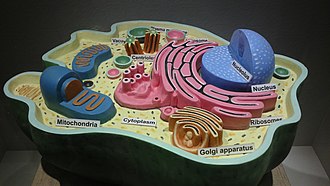

This article is a child-friendly adaptation of the Wikipedia article on Golgi apparatus, available under CC BY-SA 4.0.
Images from Wikimedia Commons. Tap any image to view credits and license.