 Safekipedia
Eating
Adapted from Wikipedia · Adventurer experience
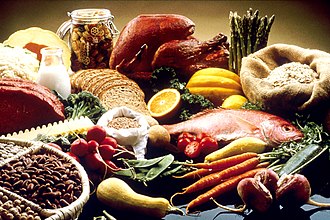
Eating, also known as feeding or consuming, is the process of taking in solid food for digestion. In biology, this is how animals get the nutrients and energy they need to survive and grow, since they cannot make their own food.
Animals have different ways of eating: some eat meat from other animals, some eat plants and algae, and others eat both plants and animals. Some animals even eat detritus and feces. Animals digest food inside their bodies, unlike fungi and microbes, who digest food outside their bodies first.
For humans, eating is a regular daily activity. We usually eat during meals and also have snacks. Special eating events, like gatherings or dates, are called dining. Large events with many guests are known as banquets or feasts. The art of preparing and presenting meals is called culinary arts.
Doctors say that eating a healthy diet is very important for good health. Some people may eat less for religious, personal, or political reasons. Sometimes, not having enough food can cause health problems. Eating too much can also cause health issues, which concerns many public health experts.
Eating practices among humans
Many homes have a special kitchen area where meals are made. Often, there is a dining room or another space for eating.
Societies also have restaurants, food courts, and food vendors. People can eat there when they're not at home, when they're busy, or just for fun. Sometimes eating is the main focus of social events like picnics, potlucks, and food festivals. People gather to share meals together.
Most people eat two or three meals a day, with smaller snacks in between. Health experts suggest three balanced meals a day to give the body the energy it needs. In some places, like areas following Sharia law, Muslims may not eat during the day in Ramadan.
Development in humans
Newborn humans cannot chew solid food, so they drink breast milk or infant formula. As they grow, they may eat small amounts of soft baby foods, usually starting around two to three months old. Most babies start eating solid foods between six and eight months old.
Between 8 and 12 months old, babies' bodies get better at digesting food and their first teeth appear, so they can start eating finger foods. But they still eat only a few kinds of food because they do not have many teeth. By 18 months, babies often have enough teeth and a grown-up digestive system to eat the same foods as adults. Learning to eat can be messy for children, and they often do not eat neatly until they are five or six years old.
Disorders
Eating usually starts when we feel hungry, but health problems can change how we want to eat. This can happen if we feel very sad, have food allergies, or have an illness.
Two common eating disorders are anorexia and bulimia. In anorexia, people eat very little because they are scared of gaining weight. In bulimia, people eat a lot of food quickly and then try to get rid of it by throwing up. If someone can’t eat or drink, like after surgery, there are special ways to give them food and water.
Other animals
Animals eat in many ways to get the food they need to grow and stay healthy. Birds and mammals are two groups of animals that have special ways of finding and eating their food. Each animal eats what works best for its body and lifestyle.
Images
Related articles


This article is a child-friendly adaptation of the Wikipedia article on Eating, available under CC BY-SA 4.0.
Images from Wikimedia Commons. Tap any image to view credits and license.