 Safekipedia
Tea
Adapted from Wikipedia · Adventurer experience
Tea is a nice drink made by pouring hot or boiling water over leaves from the Camellia sinensis plant. This is an evergreen shrub that grows in East Asia. Tea started in places like China, India, and Myanmar. After water, tea is the most popular drink in the world. There are many kinds of tea, and they can taste different — some are a little bitter, and others are sweet or flowery. Tea can help you feel more awake because it has caffeine.
People have been drinking tea for a long time. The first known record of tea is from the year 200 AD, written by a Chinese doctor named Hua Tuo. It became a popular drink in China and later spread to other countries. Portuguese people brought tea to Europe in the 1500s, and it became very popular in Britain. The British started growing tea in India, where it was only used as a medicine before.
Herbal tea is a name for drinks not made from the Camellia sinensis plant. These are made from fruits, leaves, or other parts of plants, like rosehip, chamomile, or rooibos. Sometimes people call these drinks tisanes or herbal infusions to make it clear they are not the same as real tea.
Etymology
Main article: Etymology of tea
The words we use for tea around the world show us the history of tea trading and drinking, starting from China. Most of these words are in three main groups: te, cha, and chai. The first one to come into English was cha, which arrived in the 1590s from traders in Portugal. They heard the word in Cantonese. The more common word tea came later in the 1600s, brought by traders from the Netherlands. It may have come from a Malay word or from Min Chinese. The third word, chai, means "spiced tea." It came from northern China, traveled to Persia, and got a Persian ending. The Chinese word for tea may have started in the languages of the places where tea plants first grew in southwest China or Burma.
Origin and history
Tea plants grow naturally in East Asia. They likely started growing near the Irrawaddy River, spreading into places like China, Assam, and Thailand. People in ancient East Asia first ate tea leaves raw or added them to soups before drinking them as a warm drink.
Over time, different ways of making tea developed. In China, people began boiling tea leaves to make a drink, and later created many types of tea like green, black, and oolong. Tea spread from China to other parts of the world, becoming popular in places like Japan, Russia, and Europe. Today, tea is enjoyed by people all around the world.
Main article: History of tea and History of tea in China
Chemical composition
See also: Phenolic content in tea
Tea is made from water and compounds found in tea leaves, like polyphenols and amino acids. It is one of the most popular drinks in the world.
Caffeine is about 3% of tea's dry weight. This means a cup of tea has some caffeine, but not a lot. Tea also has tiny amounts of theobromine and theophylline, which are like caffeine and can help you feel more awake.
The taste of tea can be a little bitter because of polyphenols in the leaves. These make up a big part of tea leaves. Polyphenols include flavonoids, epigallocatechin gallate (EGCG), and other catechins. Some studies have looked at whether tea might be good for you, but we do not know if these compounds really help protect against diseases.
Health effects
Main article: Health effects of tea
People have thought that drinking tea is good for us for a long time. But there is not strong proof that tea makes us much healthier. It might help us feel more awake because of the caffeine in the leaves. Recent studies show that tea does not really change our health or stop diseases.
Both black and green teas do not have many important nutrients, except for a tiny bit of manganese, which we need. Some special kinds of tea, called "brick tea," might have too much fluoride if we drink too much. This can be bad for our health because of the soil where the tea plants grow.
Cultivation and harvesting
Camellia sinensis is a plant that grows best in warm places, like tropical and subtropical areas. Some types can grow in cooler places too, like Cornwall in England, Washington in the United States, and even as far south as Hobart in Tasmania.
It takes about 4 to 12 years for a tea plant to grow big enough to produce seeds, and about three years before you can pick its leaves. Tea plants need a lot of rain—about 1,200 millimetres (47 in) each year—and they like acidic soils. The best tea plants often grow on hills that are up to 2,000 metres (6,600 ft) high. Even though they grow slower there, the tea tastes better.
There are two main types of tea plants. One type is used for most teas from China, Taiwan, and Japan, and the other is used for teas from India, like Pu-erh. Tea plants can grow very tall if left alone, but farmers usually cut them down to make harvesting easier. This also helps the plants produce more fresh leaves.
Only the top part of the plant, about 25 to 50 millimetres (1 to 2 in), is picked for tea. These parts are called 'flushes' and grow every 7 to 15 days during the growing season. Some teas, like Darjeeling, come from special flushes and can cost more.
Tea plants can sometimes get sick or be eaten by bugs. Farmers may use special sprays to keep bugs away. There are also other bugs and diseases that can affect tea plants.
Production
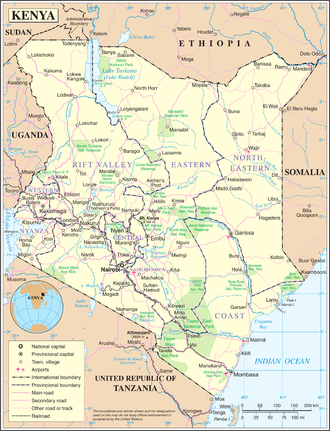
Tea is mostly grown in Asia and Africa, with some in South America and around the Black and Caspian Seas. The biggest tea-producing countries are China, India, Kenya, and Sri Lanka. Together, they make up most of the world's tea. China made the most tea, followed by India. Kenya, Sri Lanka, and Turkey also made tea.
Tea needs special storage to stay fresh. Black tea lasts longer than green tea. Some teas only last a short time, while others taste better as they get older. To keep tea fresh, store it away from heat, light, air, and moisture in a sealed container at room temperature. Green tea goes bad faster than black tea. Special packets, vacuum sealing, or keeping tea in the fridge can help it last longer.


Packaging
Tea bags
In 1907, a tea seller in America put tea in small silk bags. People liked reusing the bags for more tea. The idea grew popular later. During World War II, tea was limited in the United Kingdom. In 1953, a company in Yorkshire, UK, began selling tea bags, and they became very popular.
Loose tea
Loose tea leaves are sold in cans or paper bags. Some teas are packed tightly to stay fresh. When you use loose tea, you measure it yourself, which lets you control the taste, but it takes more work. Tools like strainers or tea balls help keep the leaves out of your cup.
Compressed tea
Compressed tea, like tea bricks, is made for easy transport and storage. It can last longer without spoiling. To use it, you break off a piece and steep it in water. Long ago in China, compressed tea was ground into powder and mixed with hot water. This method was later used in Japan to make matcha. Today, some people still enjoy compressed tea, especially in parts of Asia.
Instant tea
Main article: Instant tea
Instant tea is like quick-mix tea that you can drink hot or cold. It was created in the 1930s. People add flavors like vanilla or honey to it. Soldiers during World War II sometimes received instant tea.
Bottled and canned tea
Main article: Canned tea
Bottled and canned tea is already made and ready to drink. It started in Japan in 1981. Before that, an Indonesian company began selling bottled tea in 1969. Later, a Swiss company started making iced tea on a large scale.
Tea culture
See also: American tea culture, Argentine tea culture, Brazilian tea culture, Chinese tea culture, Dominican tea culture, Indian tea culture, Tea culture in Japan, Mexican tea culture, Russian tea culture, Senegalese tea culture, and Tea in the United Kingdom
Tea is important in many places and is often enjoyed at special events, like tea parties. Different countries have their own ways of making and enjoying tea. For example, in China and Japan, there are special tea ceremonies with careful steps to brew and serve the tea.
In the United Kingdom, many people drink tea every day. It's common for hosts to offer tea to guests when they arrive. Afternoon tea with cakes is a well-known tradition there. In Ireland, people also love tea, and they often add milk or sugar to their cups. Turkey has a strong tea culture too, where tea is a common drink, especially in the Rize Province. Russia has a long history with tea, and it is a key part of social gatherings.
Pakistan enjoys both black and green teas, with different regions having their own favorite ways to drink it. In India, tea is very popular and is often made with milk and sometimes spices. Iran also drinks a lot of tea, and teahouses are common places to enjoy it. In Myanmar, tea is eaten in different forms, including pickled tea leaves, which are a special treat.
In Mali, tea is served in three different ways, each with a special meaning. The United States loves iced tea, especially in the southern areas where sweet tea is a favorite.
Economics
Producers and consumers
Further information: List of countries by tea consumption per capita
Tea is the world's most popular drink. It is as popular as coffee, soft drinks, and alcohol together. Most tea comes from large farms in India and Sri Lanka. These farms make tea for big companies. But there are also small farms that make special, expensive teas. These teas can cost as much as some very expensive wines.
India drinks the most tea of any country. People there drink about 750 grams (26 oz) each year. Turkey drinks the most tea per person. People there drink 2.5 kilograms (5 lb 8 oz) each year.
Certification
Several groups give special labels to tea. These labels show the tea was made in a good way. Some of these groups are Rainforest Alliance, Fairtrade, UTZ Certified, and Organic.
Tea with the Rainforest Alliance label is sold by Unilever brands Lipton and PG Tips in Western Europe, Australia, and the U.S. Fairtrade labeled tea is sold by many companies around the world. UTZ Certified tea is sold by Pickwick tea.
Contemporary issues
The weather is changing, and this affects tea farms. In places like China and India, tea plants sometimes grow for shorter times or get too hot. Farmers are finding new ways to help their tea plants.
Some teas sold in stores might not be pure. Cheaper ingredients or extra colors and flavors might be added without telling customers.
In some countries, children are sometimes made to work on tea farms, and workers may not be paid fairly.
Images
Related articles




This article is a child-friendly adaptation of the Wikipedia article on Tea, available under CC BY-SA 4.0.
Images from Wikimedia Commons. Tap any image to view credits and license.