 Safekipedia
Pacific Time Zone
Adapted from Wikipedia · Discoverer experience
The Pacific Time Zone (PT) is a time zone that covers the western part of the United States and a small part of northwestern Mexico. In this area, people set their clocks by subtracting eight hours from Coordinated Universal Time (UTC−08:00) when they are not observing daylight saving time. During daylight saving time, the time changes to UTC−07:00.
In the United States, this time zone is called the Pacific Time Zone. When standard time is used, from early November to mid-March, it is known as Pacific Standard Time (PST). From mid-March to early November, when daylight saving time is used, it is called Pacific Daylight Time (PDT). In Mexico, this time zone is named the Zona Noroeste (meaning 'Northwest Zone') and follows the same daylight saving schedule as the United States.
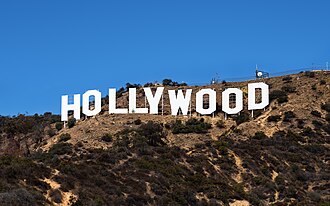
The biggest city in the Pacific Time Zone is Los Angeles, and its surrounding area is the largest metropolitan area in this time zone. The Pacific Time Zone is two hours ahead of the Hawaii–Aleutian Time Zone, one hour ahead of the Alaska Time Zone, and one hour behind the Mountain Time Zone. It is also two hours behind the Central Time Zone, three hours behind the Eastern Time Zone, and four hours behind the Atlantic Time Zone.
Canada
Main articles: Yukon Time Zone, Pacific Time (British Columbia), and Time in Canada
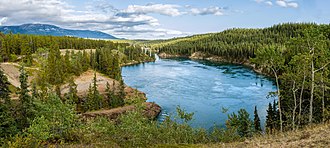
In Canada, the way time is kept changed in some places. In British Columbia, people voted in 1972 about which time zone to use. In March 2020, the territory of Yukon decided to keep daylight saving time all year long.
In March 2026, British Columbia made a big change. They decided to also keep daylight saving time all year long, starting on March 8, 2026. This new way of keeping time will make most of British Columbia match the Yukon Time Zone. However, some areas like the East Kootenay will still follow a different time zone, just like Alberta. The Peace Region and Creston will now match the rest of the province with this change.
Mexico
Main article: Time in Mexico
In Mexico, the area called Zona Noroeste follows the same time as the Pacific Time Zone in the United States. This includes one state:
Some parts of northern and western Mexico are in a zone called Zona Pacifico. These places usually do not change their clocks for daylight saving time. So, even though the name sounds similar to Pacific Time, Zona Pacifico is like staying on Mountain Standard Time all year (like in Arizona) or Pacific Daylight Time (like in British Columbia).
United States
Main article: Time in the United States
The Pacific Time Zone covers two whole states in the United States:
Three other states are partly in this time zone:
- In Idaho, 10 counties in the north follow Pacific Time because they are close to cities in Washington.
- In Nevada, everyone uses Pacific Time except for the town of West Wendover, which follows a different time due to its closeness to Utah.
- In Oregon, most of the state uses Pacific Time, but one county near Idaho follows a different time.
Also, a small area in Alaska unofficially uses Pacific Time because it is close to a town in Canada.
Daylight saving time
In the past, places in the Pacific Time Zone changed their clocks twice a year. They switched to a lighter time in spring and then back to standard time in the fall. But rules changed, and now these changes happen on different days.
Many areas, like California and Washington, have talked about keeping the same time all year. Some places have approved plans to do this, but they still need approval from the government. In March 2026, British Columbia decided to keep the lighter time all year, calling it Pacific Time.
Related articles



This article is a child-friendly adaptation of the Wikipedia article on Pacific Time Zone, available under CC BY-SA 4.0.
Images from Wikimedia Commons. Tap any image to view credits and license.