 Safekipedia
Province
Adapted from Wikipedia · Explorer experience
What is a Province?
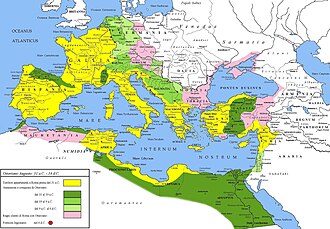
A province is a special part of a larger country or area. It helps organize and manage different regions. The word comes from ancient times, from the ancient Roman provincia, which was a big region ruled by Rome outside of Italy.
Many countries today use the term "province" to describe these important sections. In some places, like Canada, provinces have their own powers and make their own decisions. In other places, such as China or France, provinces are set up by the main government and don’t have as much freedom.
Sometimes, when people talk about “the provinces,” they mean areas away from the big capital city. This shows how provinces can be real places and ways to describe parts of a country that are not the main center.
Fun Facts About Provinces
- The idea of a province started in ancient Rome. Big parts of the Roman Empire were called provinces.
- In France, the phrase en province means "outside the Paris area". People use similar expressions in other countries too!
- In Canada, there are 10 provinces. Each one is very big—some are larger than any country in Europe except Russia.
Provinces Around the World
Many countries have provinces. Here are a few examples:
- Pakistan has four provinces: Punjab, Sindh, Khyber Pakhtunkhwa, and Balochistan.
- China has many provinces, each with its own special name and rules.
- Spain has 50 provinces, each named after its main town.
Provinces help countries stay organized and make sure everyone has a place to call home!
Images
Related articles



This article is a child-friendly adaptation of the Wikipedia article on Province, available under CC BY-SA 4.0.
Images from Wikimedia Commons. Tap any image to view credits and license.